Cybersecurity in Healthcare: Protecting Patient Data
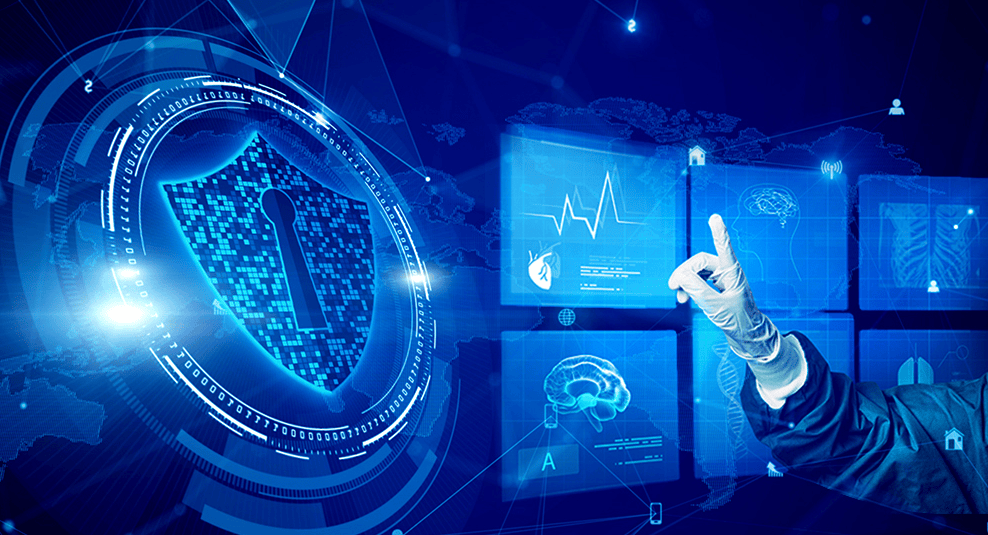
Healthcare organizations are custodians of some of the most sensitive information—patient records, medical histories, and financial data. In 2026, the sector faces relentless cyber threats, from ransomware to insider misuse. Protecting patient data is not just a compliance requirement; it’s a matter of trust and patient safety.
Why Healthcare Is a Prime Target
- High-Value Data: Medical records contain personal, financial, and insurance details, making them more valuable than credit card numbers.
- Legacy Systems: Many hospitals still rely on outdated software vulnerable to attacks.
- Operational Pressure: Cyber incidents can delay treatments, risking patient lives.
- Regulatory Demands: Strict laws like HIPAA and GDPR require robust safeguards.
Common Threats in Healthcare
| Threat | Description | Example |
| Ransomware | Encrypts patient records, halting operations until ransom is paid. | Hospital systems locked mid-surgery scheduling. |
| Phishing | Staff tricked into revealing credentials. | Fake emails posing as insurance providers. |
| Insider Threats | Employees misusing access or leaking data. | Unauthorized access to celebrity patient records. |
| IoT Vulnerabilities | Connected devices like pacemakers and monitors exploited. | Hackers manipulating medical equipment remotely. |
Best Practices for Protecting Patient Data
- Zero-Trust Security: Verify every user and device before granting access.
- Encryption Everywhere: Protect data at rest and in transit.
- Multi-Factor Authentication: Secure accounts against stolen credentials.
- Regular Audits: Identify vulnerabilities before attackers do.
- Employee Training: Build awareness to reduce phishing and insider risks.
- Incident Response Plans: Ensure rapid recovery from breaches.
Conclusion
Cybersecurity in healthcare is about more than compliance—it’s about protecting lives. A breach doesn’t just expose data; it can delay treatments, erode trust, and endanger patients. By adopting zero-trust principles, encrypting data, and fostering a culture of security, healthcare organizations can safeguard patient information and maintain the integrity of care.


