
Cybersecurity Audits: What Companies Should Expect
In 2026, cybersecurity audits have become a critical part of business resilience. With rising threats, stricter regulations, and customer demands for transparency, organizations can no longer treat audits as optional. A cybersecurity audit is more than a compliance exercise—it’s a roadmap to stronger defenses and digital trust.
🔍 What is a Cybersecurity Audit?
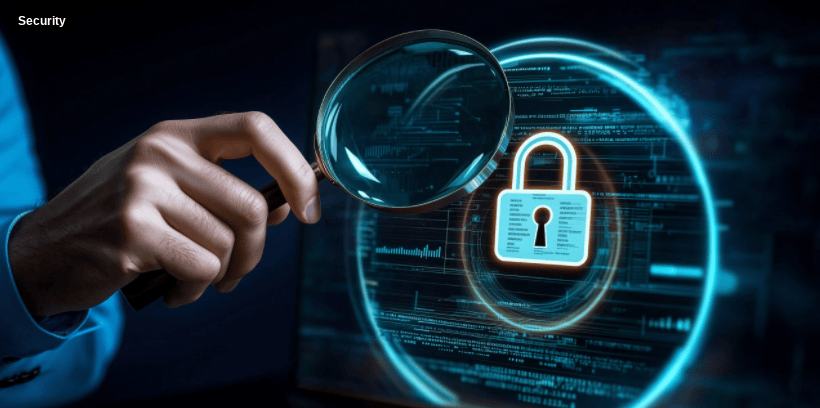
A cybersecurity audit is a structured assessment of an organization’s security posture. It evaluates policies, procedures, technologies, and employee practices to identify vulnerabilities and ensure compliance with industry standards and regulations.
📊 Key Areas Auditors Examine
- Governance and Policies
- Review of security frameworks, risk management strategies, and incident response plans.
- Access Controls
- Verification of identity management, multi-factor authentication, and least-privilege access.
- Network and Infrastructure Security
- Testing firewalls, intrusion detection systems, and patch management.
- Data Protection
- Ensuring encryption, secure backups, and compliance with privacy laws like GDPR and CCPA.
- Cloud and Third-Party Risk
- Assessing vendor contracts, cloud configurations, and shared responsibility models.
- Employee Awareness
- Evaluating training programs to reduce phishing and social engineering risks.
- Incident Response Readiness
- Reviewing playbooks, communication protocols, and recovery strategies.
🛡️ Why Audits Matter in 2026
- Regulatory Compliance: Privacy laws worldwide demand proof of effective security measures.
- Customer Trust: Demonstrating strong security builds confidence with clients and partners.
- Risk Reduction: Identifying vulnerabilities before attackers exploit them.
- Competitive Advantage: Companies with strong audit results stand out in security-conscious markets.
🧭 How Companies Can Prepare
- Document Everything – Policies, procedures, and incident logs should be up-to-date.
- Run Internal Assessments – Conduct mock audits to identify gaps early.
- Engage Leadership – Cybersecurity is a board-level issue; executives must be involved.
- Invest in Training – Employees are the first line of defense; awareness reduces risk.
- Adopt Continuous Monitoring – Real-time analytics and automated tools strengthen audit readiness.
Final Thoughts
Cybersecurity audits are no longer just about passing a checklist—they’re about proving resilience in a world of evolving threats. Companies that embrace audits as opportunities for growth will not only meet compliance requirements but also build stronger, more trustworthy digital ecosystems.


