💻 Ransomware Evolution: From Big Corporations to Small Targets
Ransomware has long been the nightmare of large corporations and government agencies. But in recent years, attackers have shifted their focus—small businesses, schools, hospitals, and even individuals are now in the crosshairs. Understanding this evolution is critical for building resilience in today’s digital landscape.
📉 The Early Days: Big Game Hunting
In the 2010s, ransomware campaigns primarily targeted large corporations and institutions. Attackers knew that big organizations had:
- Deep pockets to pay multimillion-dollar ransoms.
- Critical operations that couldn’t afford downtime (e.g., banks, healthcare, logistics).
- Valuable data that could be sold or leaked.
High-profile attacks like WannaCry (2017) and NotPetya (2017) crippled global companies, costing billions in damages.
🔄 The Shift: Why Small Targets Became Attractive
By the early 2020s, law enforcement crackdowns and improved corporate defenses made “big game hunting” riskier. Cybercriminals adapted by turning to smaller, less-protected targets:
- Small Businesses: Often lack dedicated IT teams or advanced security tools.
- Schools & Nonprofits: Hold sensitive personal data but operate on tight budgets.
- Local Governments: Manage critical services but are frequently underfunded in cybersecurity.
- Individuals: Personal devices and cloud accounts are easy entry points for extortion.
Attackers realized that while ransoms from small targets are lower, the volume of victims makes up for it.
🧩 Modern Ransomware Tactics
Today’s ransomware campaigns are more sophisticated and diversified:
- Double Extortion: Attackers not only encrypt files but also threaten to leak stolen data.
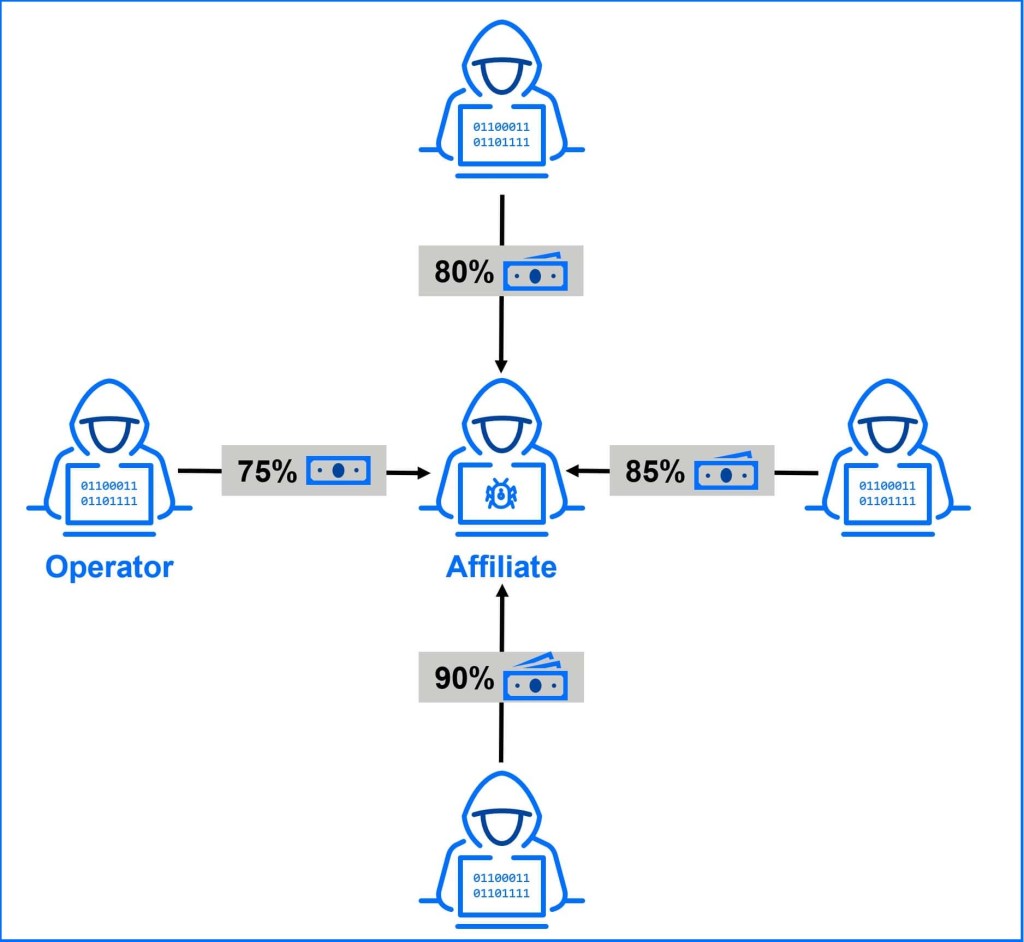
- Ransomware-as-a-Service (RaaS): Criminal groups rent out ransomware kits, making attacks accessible to less-skilled hackers.
- Targeted Phishing: Personalized emails trick employees into clicking malicious links.
- Supply Chain Attacks: Compromising vendors to reach downstream clients.
🛡️ How Small Targets Can Defend Themselves
Even with limited resources, smaller organizations can take meaningful steps:
- Regular Backups: Store data offline or in secure cloud environments.
- Patch Management: Keep systems updated to close vulnerabilities.
- Multi-Factor Authentication (MFA): Prevent unauthorized access to accounts.
- Employee Awareness Training: Teach staff to spot phishing attempts.
- Incident Response Plan: Prepare for quick recovery if an attack occurs.
🌍 The African Context
In Africa, where digital adoption is accelerating, small businesses and local institutions are particularly vulnerable. Many operate without formal cybersecurity policies, making them prime targets. However, this also presents an opportunity: localized training, affordable security solutions, and awareness campaigns can empower communities to fight back against ransomware.
🚀 Conclusion
Ransomware has evolved from targeting Fortune 500 companies to threatening everyday businesses and individuals. The lesson is clear: no one is too small to be a target. By adopting proactive security measures and fostering cyber awareness, organizations of all sizes can reduce their risk and build resilience in the face of this ever-changing threat.
POWERED BY CYBERGUARD ZW

 CYBERHELP AFRICA