

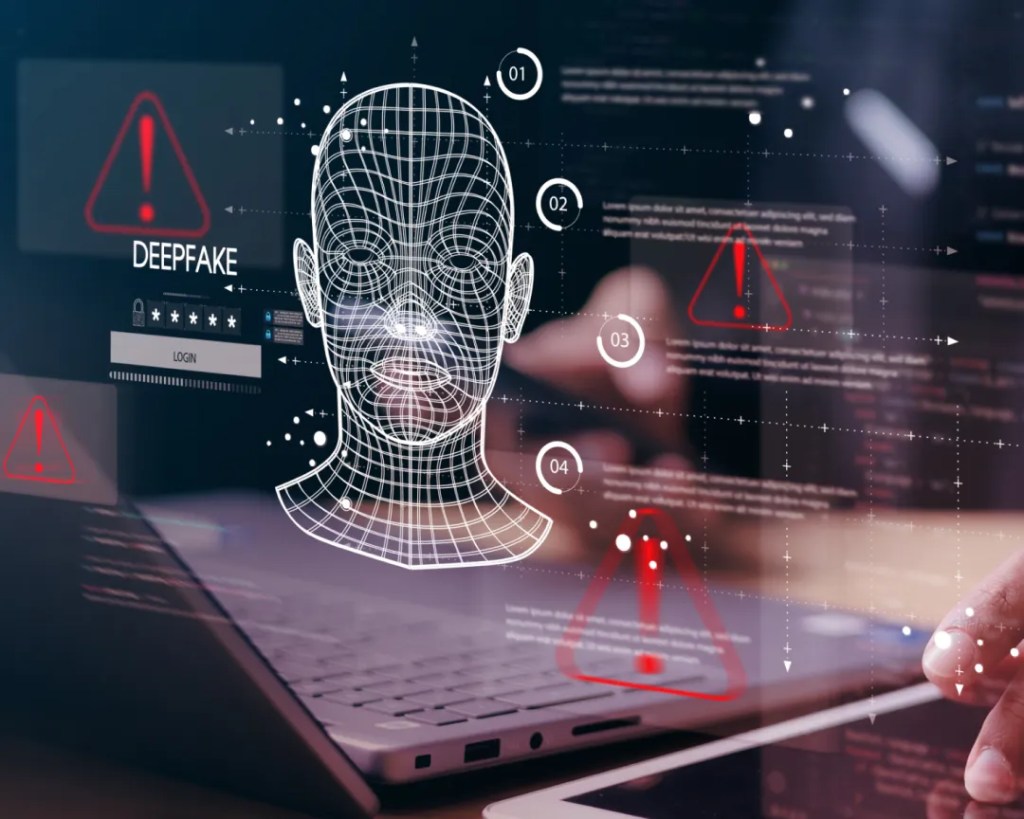
🎭 Deepfake Technology and Cybersecurity: The New Frontier of Digital Threats
🚀 Introduction
In the age of artificial intelligence, few innovations have captured public attention like deepfakes—AI-generated synthetic media that can convincingly mimic real people’s voices, faces, and actions. While deepfakes have creative applications in entertainment and education, they also pose serious risks to cybersecurity, privacy, and trust in digital systems.
🧩 What Are Deepfakes?
- Definition: Deepfakes are videos, audio, or images created using machine learning techniques, especially deep neural networks, to replicate human likeness.
- How They Work: Algorithms like Generative Adversarial Networks (GANs) train on large datasets of images or voices, learning to produce realistic imitations.
- Examples: Fake celebrity videos, cloned voices used in scams, or fabricated political speeches.
⚠️ Cybersecurity Risks of Deepfakes
- Social Engineering Attacks
- Fraudsters can impersonate CEOs or executives in video calls to authorize fake transactions.
- Voice deepfakes have already been used to trick employees into transferring funds.
- Disinformation Campaigns
- Deepfakes can spread false narratives, destabilize societies, or manipulate elections.
- They erode trust in digital media, making it harder to distinguish truth from fiction.
- Identity Theft & Privacy Violations
- Criminals can use deepfakes to impersonate individuals for account access or blackmail.
- Personal reputations can be destroyed by malicious fake content.
- Authentication Challenges
- Traditional security measures like facial recognition or voice biometrics are vulnerable.
- Deepfakes can bypass these systems, demanding stronger verification methods.
🛡️ Defending Against Deepfake Threats
- Detection Tools: AI-powered detection systems analyze inconsistencies in pixels, audio frequencies, or facial movements.
- Multi-Factor Authentication: Relying on more than just biometric data (e.g., combining passwords, tokens, and biometrics).
- Digital Watermarking: Embedding invisible markers in authentic media to verify originality.
- Awareness & Training: Educating employees and the public to question suspicious media.
🌍 The African Context
For Africa, where mobile money, digital banking, and e-government services are rapidly expanding, deepfakes present unique risks:
- Financial Fraud: Voice deepfakes could exploit trust in mobile transactions.
- Political Stability: Fake speeches or videos could inflame tensions.
- Education & Awareness: Building local capacity to detect and counter deepfakes is essential for resilience.
📌 Conclusion
Deepfake technology is a double-edged sword. While it offers creative opportunities, its misuse threatens cybersecurity, privacy, and trust. The solution lies in innovation, vigilance, and education—developing detection tools, strengthening authentication, and raising awareness. As deepfakes grow more sophisticated, the world must adapt quickly to safeguard digital trust.
Sources:
- World Economic Forum on Deepfake Risks
- Norton Cybersecurity Blog on Deepfakes
- MIT Technology Review on Deepfake Detection
POWERED BY CYBERGUARD

 CYBERHELP AFRICA