Phishing Scams Are Getting Smarter—Are You?
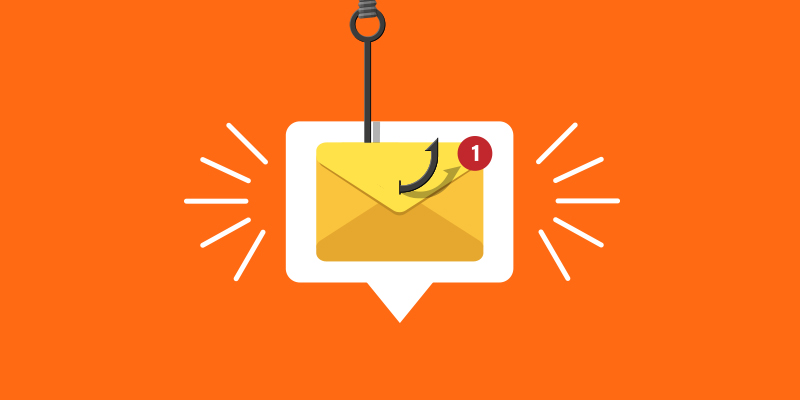
Phishing isn’t new—but it’s evolving fast. What used to be clumsy emails from “Nigerian princes” have morphed into sophisticated, targeted attacks that can fool even seasoned professionals. In today’s digital landscape, phishing scams are smarter, sneakier, and more dangerous than ever.
So the real question is: Are you prepared to spot them?
🧠 What Is Phishing?
Phishing is a type of cyberattack where scammers impersonate trusted entities—banks, colleagues, government agencies—to trick you into revealing sensitive information like passwords, credit card numbers, or login credentials.
It often comes in the form of:
- Emails with fake links or attachments
- SMS messages (smishing)
- Phone calls (vishing)
- Social media DMs or fake profiles
🚨 How Phishing Scams Are Getting Smarter
Modern phishing attacks use advanced tactics to bypass your defenses:
1. Spear Phishing
Highly targeted attacks that use personal details to build trust. Example: An email that references your recent purchase or job application.
2. Business Email Compromise (BEC)
Hackers impersonate executives or vendors to request urgent payments or sensitive data.
3. Clone Phishing
Attackers replicate legitimate emails and resend them with malicious links.
4. AI-Powered Phishing
Scammers use AI to craft convincing messages, mimic writing styles, and even generate fake voices.
5. Phishing-as-a-Service (PhaaS)
Cybercriminals now offer phishing kits and services on the dark web—making it easier for amateurs to launch attacks.
🛡️ How to Outsmart Phishing Scams
Here’s how to stay one step ahead:
✅ Think Before You Click
- Hover over links to inspect URLs.
- Don’t download unexpected attachments.
- Verify sender addresses—look for subtle misspellings.
✅ Use Multi-Factor Authentication (MFA)
Even if your password is stolen, MFA adds an extra layer of protection.
✅ Keep Software Updated
Security patches fix vulnerabilities that phishing scams often exploit.
✅ Train Your Team
Regular cybersecurity awareness training is essential—especially for remote teams.
✅ Report Suspicious Activity
Don’t just delete phishing emails—report them to your IT team or email provider.
🌍 Phishing in African Contexts
In Africa, phishing scams often target mobile users, mobile money platforms, and government services. Localized scams may use familiar logos, languages, or cultural references to appear credible. Awareness campaigns and digital literacy are key to protecting communities and businesses.
Platforms like CYBERGUARD APP can play a vital role in educating users across the continent—empowering them to recognize and resist phishing attempts.
🚀 Final Thoughts: Stay Sharp, Stay Safe
Phishing scams are getting smarter—but so can you. By staying informed, practicing good cyber hygiene, and fostering a culture of vigilance, you can protect yourself and your organization from falling into the trap.
POWERED BY CYBERGUARD & TECH UP SOLUTIONS

 CYBERHELP AFRICA