

The Future of Biometric Security: Challenges and Opportunities
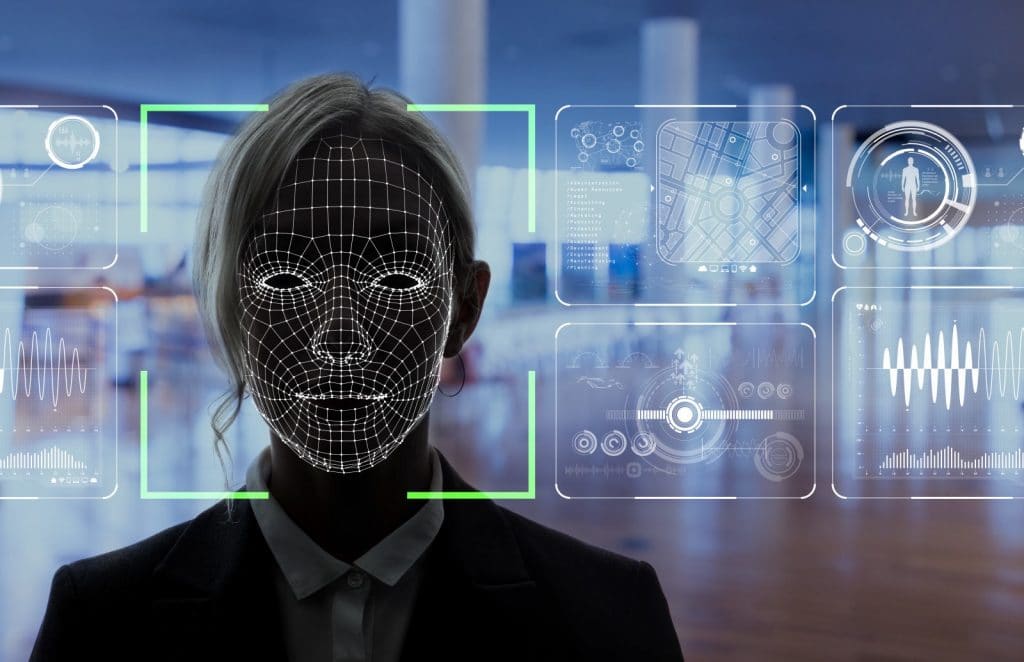
Biometric security, which uses unique physical or behavioral characteristics such as fingerprints, facial recognition, and voice patterns for authentication, is transforming the cybersecurity landscape. As technology evolves, biometric systems are becoming more sophisticated and integrated into our daily lives, from unlocking smartphones to securing financial transactions. However, with innovation comes challenges, and the future of biometric security holds both immense potential and significant hurdles. Let’s explore the opportunities and obstacles shaping this exciting frontier.
Opportunities in Biometric Security
1. Enhanced Security and Convenience
Biometric authentication provides a higher level of security compared to traditional methods like passwords or PINs. Biometrics are unique to each individual and difficult to replicate, making them a robust defense against identity theft. Moreover, they offer unparalleled convenience by eliminating the need to remember complex passwords.
2. Seamless User Experience
The integration of biometric systems into everyday devices has improved user experience. From facial recognition for mobile payments to fingerprint scans for accessing secure apps, biometrics offer quick and intuitive access, making them an appealing choice for businesses and consumers alike.
3. Advancements in Multi-Factor Authentication
Biometric security is increasingly being used as part of multi-factor authentication (MFA), combining “what you are” with “what you know” (e.g., passwords) or “what you have” (e.g., a device). This layered approach significantly enhances security, especially in sensitive industries like finance and healthcare.
4. Emerging Biometric Technologies
Technological advancements are expanding the possibilities of biometrics:
- Iris and Retina Scans: Offering higher accuracy and reliability in authentication.
- Behavioral Biometrics: Monitoring unique user behaviors like typing speed or mouse movements.
- DNA-Based Biometrics: Pioneering research into using genetic markers for ultimate identity verification.
Challenges in Biometric Security
1. Privacy Concerns
The collection and storage of biometric data raise significant privacy issues. Unlike passwords, biometrics cannot be changed if compromised. Unauthorized access to biometric databases could lead to irreversible damage, making privacy protection a top priority.
2. Data Breaches and Vulnerabilities
Hackers are devising sophisticated methods to exploit biometric systems, such as creating fake fingerprints or using 3D-printed facial models. The risk of biometric data breaches poses a significant challenge, especially when this data is stored centrally.
3. Ethical and Legal Issues
The use of biometrics raises ethical questions around surveillance and consent. Governments and organizations must navigate complex legal frameworks to ensure that biometric systems are used responsibly and do not infringe on individuals’ rights.
4. Technical Limitations
Despite advancements, biometric systems are not foolproof:
- False positives and false negatives can impact reliability.
- Environmental factors like lighting or device quality can affect performance.
- Accessibility issues may arise for individuals with disabilities.
The Road Ahead: Ensuring a Secure Future
To fully harness the potential of biometric security while addressing its challenges, stakeholders must take a proactive and collaborative approach:
1. Decentralized Storage
Adopting decentralized storage methods, such as storing biometric data locally on devices, can reduce the risk of large-scale breaches. This approach ensures that sensitive data remains in the user’s control.
2. AI-Powered Biometrics
Artificial intelligence can enhance the accuracy and security of biometric systems. AI algorithms can identify subtle patterns, making it harder for hackers to spoof biometric traits.
3. Regulatory Frameworks
Governments and international organizations must establish clear regulations to govern the use of biometrics. These frameworks should address data protection, consent, and ethical considerations.
4. Public Awareness and Education
Educating the public about the benefits and risks of biometric security is essential. Transparency from organizations using biometric systems can build trust and encourage informed participation.
Conclusion
The future of biometric security is a delicate balance of promise and peril. As technology continues to advance, it offers unparalleled opportunities to enhance security, improve user experience, and revolutionize authentication methods. However, addressing privacy concerns, technical limitations, and ethical dilemmas is crucial to ensuring that biometrics fulfill their potential responsibly.
Biometric security is not just a technological innovation—it is a societal shift. By fostering collaboration among technology developers, regulators, and users, we can navigate the challenges and create a secure, inclusive, and privacy-respecting future.
POWERED BY TECH UP SOLUTIONS

 CYBERHELP AFRICA