

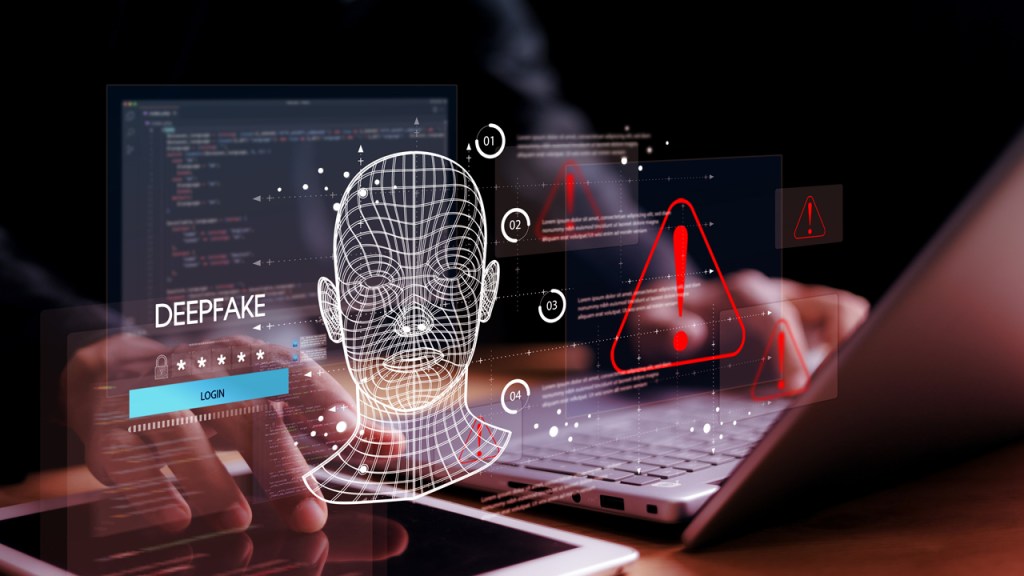
Unmasking the Threat of Deepfakes and Misinformation
In an age where digital content is king, truth is often the first casualty. The rise of deepfakes—hyper-realistic manipulated videos or audio generated by artificial intelligence—has fueled a parallel surge in misinformation, posing serious challenges to individuals, organizations, and governments alike.
What Are Deepfakes?
Deepfakes, derived from “deep learning” and “fake,” are synthetic media in which an individual’s likeness is convincingly swapped or manipulated to depict something they never said or did. While deepfake technology initially showcased its creative potential in entertainment and art, its dark side quickly surfaced.
Imagine a video of a political leader declaring war on another country or a celebrity endorsing a product they’ve never used. These fabricated media can spread falsehoods at alarming speeds, causing reputational harm, financial losses, and even societal unrest.
The Role of Misinformation
Misinformation leverages deepfake technology to create compelling but false narratives. These narratives, distributed through social media and online platforms, can polarize opinions, manipulate elections, or propagate conspiracy theories. A cleverly crafted deepfake, combined with strategic misinformation, can bypass traditional fact-checking measures and go viral within minutes.
Real-World Implications
The impact of deepfakes and misinformation extends far beyond mere inconvenience:
- Political Manipulation: Deepfakes have been weaponized to spread political propaganda, disrupt elections, and undermine public trust.
- Corporate Sabotage: Businesses may suffer from deepfakes targeting their leadership or products, leading to financial losses and damaged reputations.
- Personal Harm: Individuals, especially public figures, are vulnerable to deepfake attacks that can tarnish their image or lead to emotional distress.
Defending Against the Deepfake Epidemic
While the threat of deepfakes and misinformation is real, efforts are underway to combat their spread:
- AI Detection Tools: Researchers are developing algorithms to detect deepfakes by analyzing inconsistencies in pixelation, lighting, or facial movements.
- Education and Awareness: Public awareness campaigns can empower individuals to critically evaluate digital content and spot potential fakes.
- Policy and Regulation: Governments and tech companies are exploring legal frameworks to penalize creators of malicious deepfakes and hold platforms accountable for their dissemination.
Your Role in the Fight Against Misinformation
As consumers of digital media, we all have a role to play in ensuring the authenticity of the information we share:
- Verify Sources: Cross-check information from reputable outlets before sharing.
- Think Critically: Question overly sensational or emotionally charged content.
- Advocate for Change: Support initiatives that promote transparency and accountability in digital spaces.
Conclusion
Deepfakes and misinformation represent a double-edged sword in the digital age. While innovation in artificial intelligence opens doors to incredible possibilities, it also demands vigilance and responsibility. By staying informed and proactive, we can collectively unmask the truth and protect the integrity of our digital world.
POWERED BY TECH UP SOLUTIONS

 CYBERHELP AFRICA