

The Importance of Multi-Factor Authentication (MFA) and How to Implement It
In today’s digital landscape, security is paramount. Cyber threats are rampant, and data breaches occur frequently. Therefore, organizations must adopt robust security measures. One effective method is Multi-Factor Authentication (MFA). This article explores the significance of MFA and provides guidance on its implementation.
What is Multi-Factor Authentication?
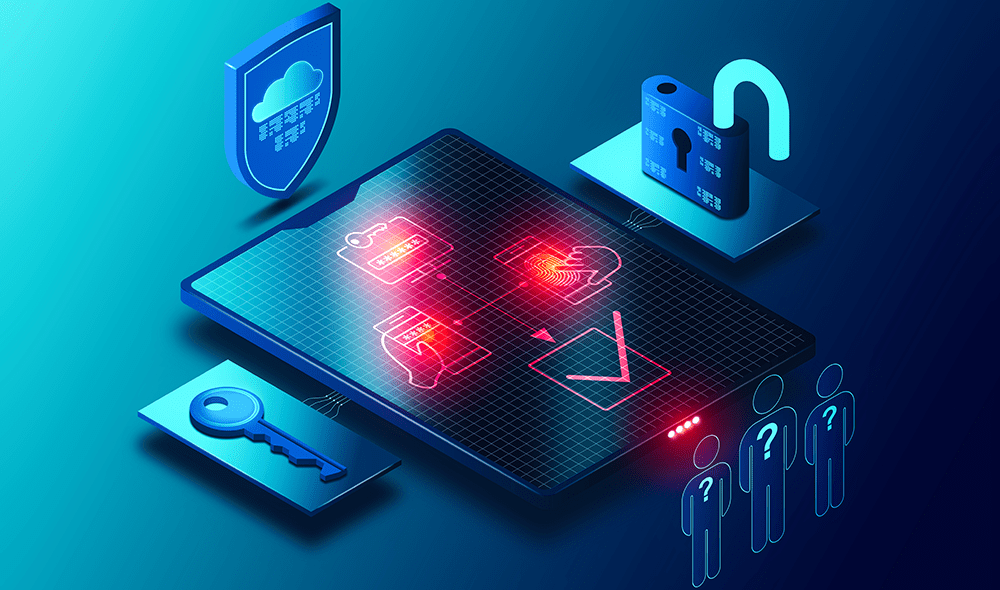
MFA is a security mechanism. It requires users to provide two or more verification factors. These factors enhance security by adding layers. Consequently, even if one factor is compromised, unauthorized access remains difficult.
Types of Authentication Factors
- Something You Know
- Passwords
- PINs
- Something You Have
- Security tokens
- Mobile devices
- Something You Are
- Fingerprints
- Facial recognition
Why is MFA Important?
MFA significantly reduces the risk of unauthorized access. Here are several reasons why it is essential:
- Enhanced Security
- MFA adds layers of protection.
- It mitigates the impact of stolen credentials.
- Compliance Requirements
- Many regulations mandate MFA.
- Organizations must adhere to these standards.
- User Trust
- Customers feel safer with MFA.
- Trust leads to stronger relationships.
How to Implement MFA
Implementing MFA involves several steps. Follow these guidelines to ensure a smooth process.
Step 1: Assess Your Needs
- Identify sensitive data.
- Determine user access levels.
Step 2: Choose an MFA Solution
- Evaluate available options.
- Consider user experience and integration.
Step 3: Educate Users
- Provide training on MFA.
- Explain its importance and benefits.
Step 4: Roll Out MFA
- Start with a pilot program.
- Gather feedback and make adjustments.
Step 5: Monitor and Update
- Regularly review MFA effectiveness.
- Update methods as needed.
Challenges of MFA
While MFA offers numerous benefits, it also presents challenges. Organizations must address these issues proactively.
- User Resistance
- Some users may resist change.
- Provide clear communication and support.
- Implementation Costs
- Initial setup may require investment.
- Weigh costs against potential losses from breaches.
- Technical Issues
- Users may face technical difficulties.
- Offer robust customer support.
Conclusion
In conclusion, Multi-Factor Authentication is vital for securing sensitive information. By implementing MFA, organizations can significantly reduce the risk of unauthorized access. Moreover, they can enhance user trust and comply with regulations. Therefore, prioritize MFA in your security strategy. Take action today to protect your digital assets.
POWERED BY TECH UP SOLUTIONS

 CYBERHELP AFRICA