

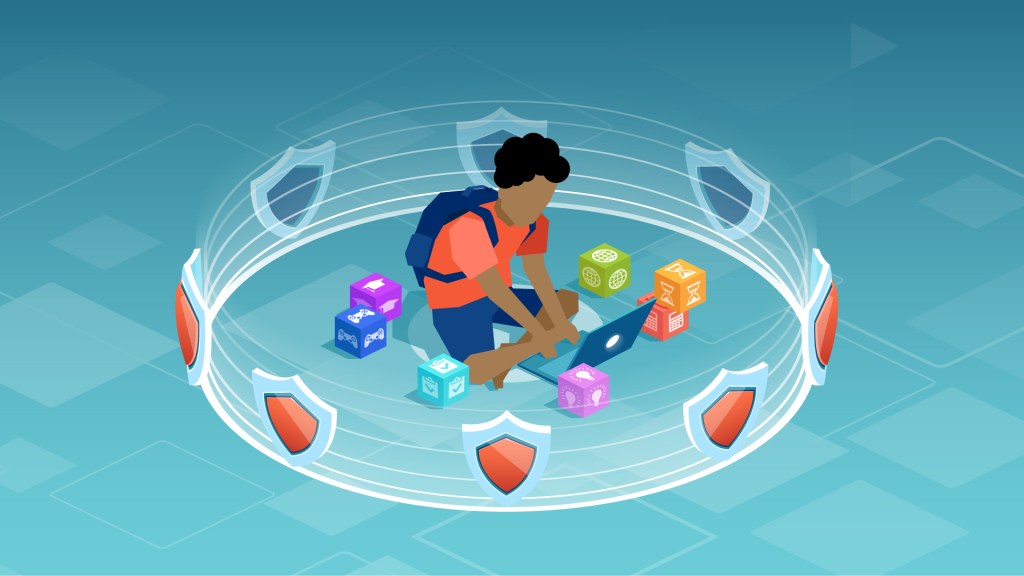
Cybersecurity for Kids: How to Keep Your Children Safe Online
In today’s digital age, children spend a significant amount of time online. Therefore, it is crucial to ensure their safety. Cybersecurity for kids is not just a buzzword; it is a necessity. Parents must take proactive steps to protect their children from online threats.
Understanding Online Risks
Children face various online risks. These risks can lead to serious consequences. Here are some common threats:
- Cyberbullying
- Children may experience harassment.
- It can lead to emotional distress.
- Inappropriate Content
- Kids might stumble upon harmful material.
- Exposure can affect their mental health.
- Online Predators
- Some individuals may pose as friends.
- They can exploit children’s trust.
- Identity Theft
- Personal information can be stolen.
- This can lead to financial issues.
Teaching Safe Online Practices
To combat these risks, parents should educate their children. Teaching safe online practices is essential. Here are some effective strategies:
- Create Strong Passwords
- Use a mix of letters, numbers, and symbols.
- Change passwords regularly.
- Limit Screen Time
- Set daily limits for device usage.
- Encourage offline activities.
- Monitor Online Activity
- Regularly check browsing history.
- Discuss their favorite websites.
- Encourage Open Communication
- Let children know they can talk about anything.
- Create a safe space for discussions.
Using Parental Controls
Parental controls can be a powerful tool. They help manage what children access online. Here are some options:
- Content Filters
- Block inappropriate websites.
- Customize settings based on age.
- Time Management Tools
- Limit how long kids can use devices.
- Set specific times for online activities.
- Monitoring Software
- Track online behavior discreetly.
- Receive alerts for suspicious activity.
Promoting Digital Literacy
Digital literacy is vital for children. It empowers them to navigate the online world safely. Here are ways to promote it:
- Teach Critical Thinking
- Encourage questioning of online information.
- Discuss the difference between reliable and unreliable sources.
- Discuss Privacy Settings
- Show how to adjust privacy on social media.
- Explain the importance of keeping personal information private.
- Role-Playing Scenarios
- Act out potential online situations.
- Help them practice safe responses.
Conclusion
In conclusion, keeping children safe online requires effort. Parents must stay informed and proactive. By teaching safe practices, using parental controls, and promoting digital literacy, you can significantly reduce risks. Ultimately, a collaborative approach will help children thrive in the digital world.
POWERED BY TECH UP SOLUTIONS

 CYBERHELP AFRICA