

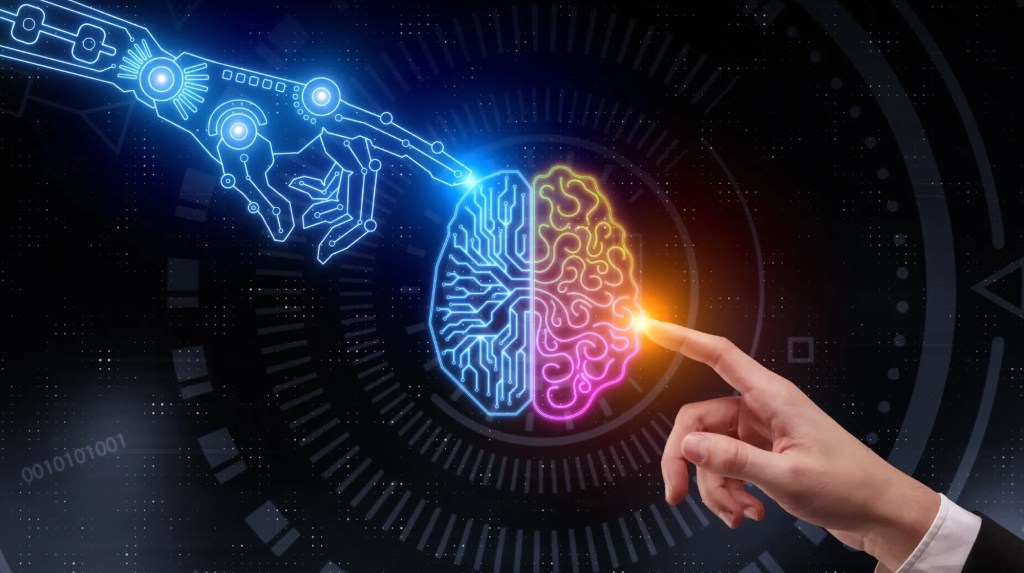
The Role of AI in Cybersecurity: A New Frontier
In an era where cyber threats are becoming increasingly sophisticated, Artificial Intelligence (AI) has emerged as a powerful ally in the fight against cybercrime. Leveraging AI in cybersecurity not only enhances threat detection and response but also brings innovative solutions to the forefront. Here’s a deep dive into how AI is revolutionizing the field of cybersecurity:
1. Advanced Threat Detection
AI-driven cybersecurity systems can analyze vast amounts of data at lightning speed, identifying patterns and anomalies that may indicate potential threats. Machine learning algorithms, a subset of AI, can learn from historical data to detect unusual behavior and predict future attacks. This proactive approach allows for early threat detection, enabling swift responses to mitigate risks.
Example: AI can identify suspicious login attempts by analyzing login patterns and flagging any deviations, such as attempts from unusual locations or times.
2. Automated Incident Response
AI can automate the incident response process, reducing the time it takes to address and neutralize threats. Automated systems can quickly isolate affected systems, remove malware, and restore data from backups. This efficiency is crucial in minimizing the impact of cyber attacks and ensuring business continuity.
Example: AI-powered security tools can automatically quarantine compromised devices and block malicious IP addresses to prevent the spread of an attack.
3. Threat Intelligence and Analysis
AI can aggregate and analyze threat intelligence from various sources, including dark web forums, hacker activities, and global security databases. By continuously monitoring and analyzing this information, AI systems can provide real-time insights into emerging threats and vulnerabilities.
Example: AI can identify new malware strains and generate detailed reports on their behavior, helping security teams develop effective countermeasures.
4. Enhancing Security Protocols
AI can help organizations enhance their security protocols by identifying weak points and recommending improvements. For instance, AI can analyze network traffic to detect vulnerabilities and suggest configurations to strengthen defenses.
Example: AI can pinpoint outdated software versions that may be susceptible to exploits and recommend timely updates.
5. Behavioral Analysis
AI systems excel at behavioral analysis, monitoring user activities to identify potential insider threats. By learning typical user behavior, AI can detect deviations that may indicate malicious intent or compromised accounts.
Example: If an employee who typically accesses only financial records suddenly starts downloading large volumes of customer data, AI can flag this as suspicious activity for further investigation.
6. Phishing Detection and Prevention
Phishing attacks remain one of the most common methods for cybercriminals to steal sensitive information. AI can help detect and prevent phishing attempts by analyzing email content and identifying phishing characteristics, such as suspicious links and impersonation tactics.
Example: AI can scan incoming emails for signs of phishing, such as misspelled domain names or unusual sender addresses, and alert users to potential threats.
7. AI-Powered Security Tools
The integration of AI into security tools has led to the development of advanced solutions, such as AI-powered firewalls, intrusion detection systems, and endpoint protection platforms. These tools offer enhanced capabilities for detecting and mitigating cyber threats.
Example: AI-powered firewalls can adapt to new threats by learning from previous attacks and adjusting their rules and policies accordingly.
8. Predictive Analytics
AI’s predictive analytics capabilities allow organizations to anticipate potential threats and take preventive measures. By analyzing historical data and identifying patterns, AI can forecast future attack vectors and help organizations strengthen their defenses.
Example: AI can predict which types of cyber attacks are most likely to target an organization based on industry trends and past incidents, enabling proactive risk management.
Conclusion
Artificial Intelligence is transforming the cybersecurity landscape, providing advanced tools and techniques to combat the ever-evolving threat of cybercrime. By harnessing the power of AI, organizations can stay one step ahead of cybercriminals, ensuring the safety and security of their digital assets.
Stay tuned for more insights and updates on the latest developments in AI and cybersecurity. Together, we can build a safer digital future.
POWERED BY TECH UP SOLUTIONS

 CYBERHELP AFRICA