Latest Cybersecurity Threats: Navigating the Evolving Landscape
As we step into 2025, the cybersecurity landscape continues to evolve rapidly, presenting new challenges and threats. Staying ahead of these threats is crucial for individuals, businesses, and governments alike. Here are some of the latest cybersecurity threats and what you can do to protect yourself:
1. Ransomware Attacks
Ransomware remains one of the most prevalent and damaging forms of cyber-attacks. Cybercriminals are employing more advanced techniques, such as double extortion, where they not only encrypt data but also threaten to release sensitive information unless a ransom is paid1.
What You Can Do: Implement robust backup and recovery plans, regularly update software and systems, and educate employees about the dangers of phishing emails and suspicious links.
2. Nation-State Cyber Attacks
Nation-state cyber attacks are becoming more frequent and sophisticated, targeting government agencies, defense contractors, and key industries. These attacks aim to steal sensitive information, disrupt operations, and gain a strategic advantage1.
What You Can Do: Invest in advanced threat detection and response solutions. Collaboration with government agencies and sharing threat intelligence across sectors can enhance overall cybersecurity posture1.
3. Internet of Things (IoT) Vulnerabilities
The proliferation of IoT devices presents a growing security challenge. As more devices become interconnected, the attack surface expands, providing cybercriminals with new opportunities to exploit vulnerabilities1.
What You Can Do: Ensure that IoT devices are properly secured by implementing strong authentication mechanisms, regularly updating firmware, and segmenting IoT networks from critical IT infrastructure.
4. AI-Driven Attacks
Artificial Intelligence (AI) is revolutionizing many industries, including cybersecurity. However, cybercriminals are also leveraging AI to enhance their attack capabilities1. AI-driven attacks can automate and scale operations, making it easier for hackers to bypass traditional security measures.
What You Can Do: Incorporate AI and machine learning (ML) into your cybersecurity strategies. AI-powered security tools can analyze vast amounts of data in real time, detect anomalies, and respond to threats more effectively1.
5. Phishing Scams
Phishing remains a primary method for cybercriminals to gain access to sensitive information. In 2025, we expect to see more sophisticated phishing campaigns that use deepfake technology and social engineering tactics to deceive even the most vigilant individuals1.
What You Can Do: Invest in comprehensive security awareness training programs to educate employees about the latest phishing techniques. Implement multi-factor authentication (MFA) and email filtering solutions to reduce the risk of successful phishing attacks1.
6. Supply Chain Attacks
Supply chain attacks have gained prominence in recent years, and this trend is likely to continue. Cybercriminals target vendors and suppliers to gain access to their clients’ systems and data1.
What You Can Do: Conduct regular security assessments and penetration testing to identify vulnerabilities in your supply chain. Implement strong security protocols and collaborate with your suppliers to ensure they adhere to best practices.
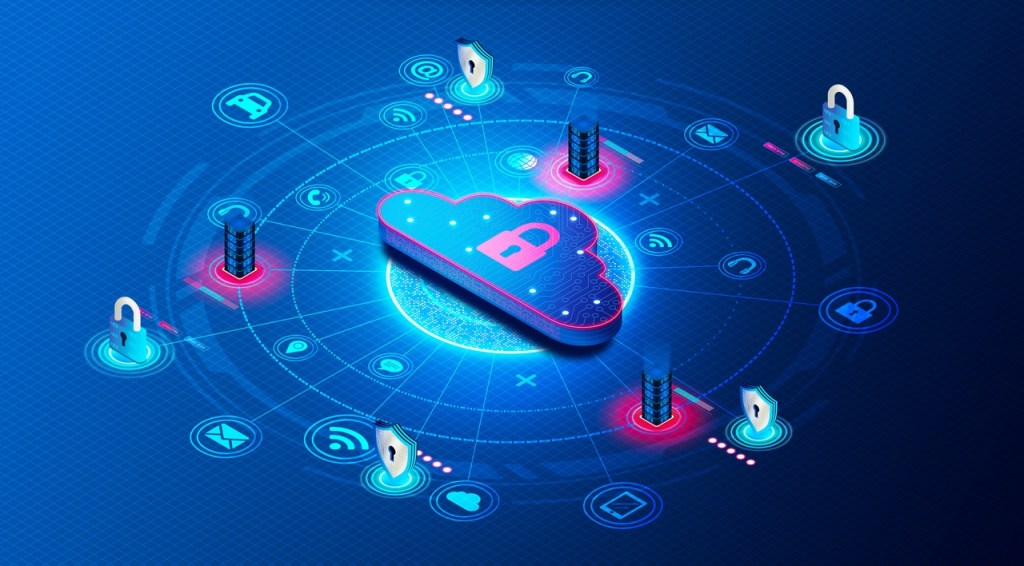
7. Cloud Security Risks
With the increasing adoption of cloud services, cloud security risks have become more prominent. Misconfigurations and vulnerabilities in cloud environments can expose sensitive data to cybercriminals2.
What You Can Do: Ensure proper configuration of cloud services and regularly monitor for any security misconfigurations. Implement robust access controls and encryption to protect data stored in the cloud.
8. Deepfake Technology
Deepfake technology, which uses AI to create realistic fake videos and audio, poses a significant threat to cybersecurity. Cybercriminals can use deepfakes to impersonate individuals, spread misinformation, and conduct social engineering attacks.
What You Can Do: Stay informed about the latest deepfake techniques and educate employees about the risks. Implement verification processes to detect and prevent deepfake attacks.
9. Quantum Computing Threats
Quantum computing has the potential to revolutionize many fields, but it also poses a threat to cybersecurity. Quantum computers could break traditional encryption methods, making it easier for cybercriminals to access sensitive data.
What You Can Do: Stay updated on advancements in quantum computing and begin exploring quantum-resistant encryption methods. Collaborate with cybersecurity experts to develop strategies for mitigating quantum computing threats.
10. Social Engineering
Social engineering tactics, such as phishing and pretexting, continue to be effective methods for cybercriminals to gain access to sensitive information. These attacks exploit human psychology and trust to deceive individuals into divulging confidential information.
What You Can Do: Conduct regular security awareness training to educate employees about social engineering tactics. Implement strict verification processes and encourage a culture of skepticism when dealing with unsolicited requests for information.
Conclusion
The cybersecurity landscape is constantly evolving, and staying ahead of the latest threats requires vigilance and proactive measures. By understanding these threats and implementing robust security practices, you can better protect yourself, your organization, and your data from cybercriminals.
Stay safe and secure in the digital world!
POWERED BY TECH UP SOLUTIONS

 CYBERHELP AFRICA