

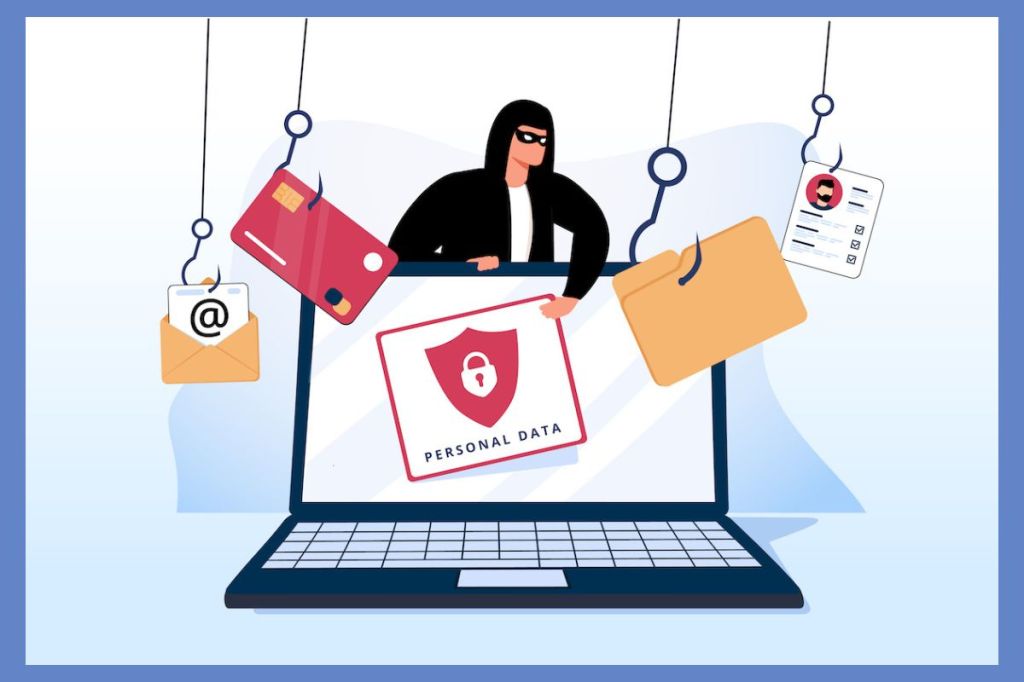
Phishing Scams: How to Spot and Avoid Them
Phishing scams continue to be a major concern in the digital world, with cybercriminals constantly coming up with new tactics to trick unsuspecting individuals into giving up their personal information. In this article, we will discuss what phishing scams are, how to spot them, and tips on avoiding falling victim to them.
What is Phishing?
Phishing is a type of cyber attack where scammers try to trick individuals into giving up their personal information such as passwords, credit card numbers, or social security numbers. This is usually done through email, text messages, or phone calls that appear to be from a legitimate source, such as a bank or a reputable company.
How to Spot Phishing Scams
Here are some common signs that can help you spot a phishing scam:
- Urgency: Phishing emails often create a sense of urgency by stating that immediate action is required. Be cautious of emails that threaten to suspend your account if you do not act quickly.
- Suspicious Links: Check the URL of the website in the email. Phishing websites often have misspelled or slightly altered URLs to mimic legitimate sites.
- Unsolicited Requests: Be wary of emails or messages asking for personal information that you did not initiate. Legitimate companies usually do not request sensitive information via email.
- Poor Grammar and Spelling: Phishing emails often contain grammatical errors and spelling mistakes. Look out for these red flags.
- Generic Greetings: Phishing emails often use generic greetings like “Dear Customer” instead of addressing you by name. Legitimate companies usually personalize their emails.
Types of Phishing Scams
There are various types of phishing scams, including:
- Email Phishing: This is the most common type of phishing scam, where scammers send fake emails pretending to be from a trusted source to trick you into giving up your personal information.
- Spear Phishing: In this type of phishing, scammers target specific individuals or organizations with customized messages to increase the chances of success.
- Text Message (Smishing): Scammers also use text messages to lure individuals into clicking on malicious links or providing sensitive information.
- Vishing: Vishing involves phone calls from scammers pretending to be from a legitimate company to obtain personal information.
How to Avoid Phishing Scams
Here are some tips to help you avoid falling victim to phishing scams:
- Educate Yourself: Stay informed about the latest phishing tactics and be cautious of unsolicited emails and messages.
- Verify Requests: If you receive a suspicious email or message, verify the authenticity of the request by contacting the company directly through their official website or phone number.
- Avoid Clicking on Links: Avoid clicking on links in emails or messages from unknown sources. Hover over the link to see the actual URL before clicking.
- Use Two-Factor Authentication: Enable two-factor authentication on your accounts for an added layer of security.
- Keep Software Updated: Make sure your operating system and security software are always up to date to protect against vulnerabilities that scammers could exploit.
Phishing scams can lead to identity theft, financial loss, and other serious consequences. By staying vigilant and following the tips mentioned above, you can reduce the risk of falling victim to phishing scams. Remember to always think twice before sharing any personal information online. Stay safe and protect your digital identity!
Powered by Tech Up Solutions

 CYBERHELP AFRICA