

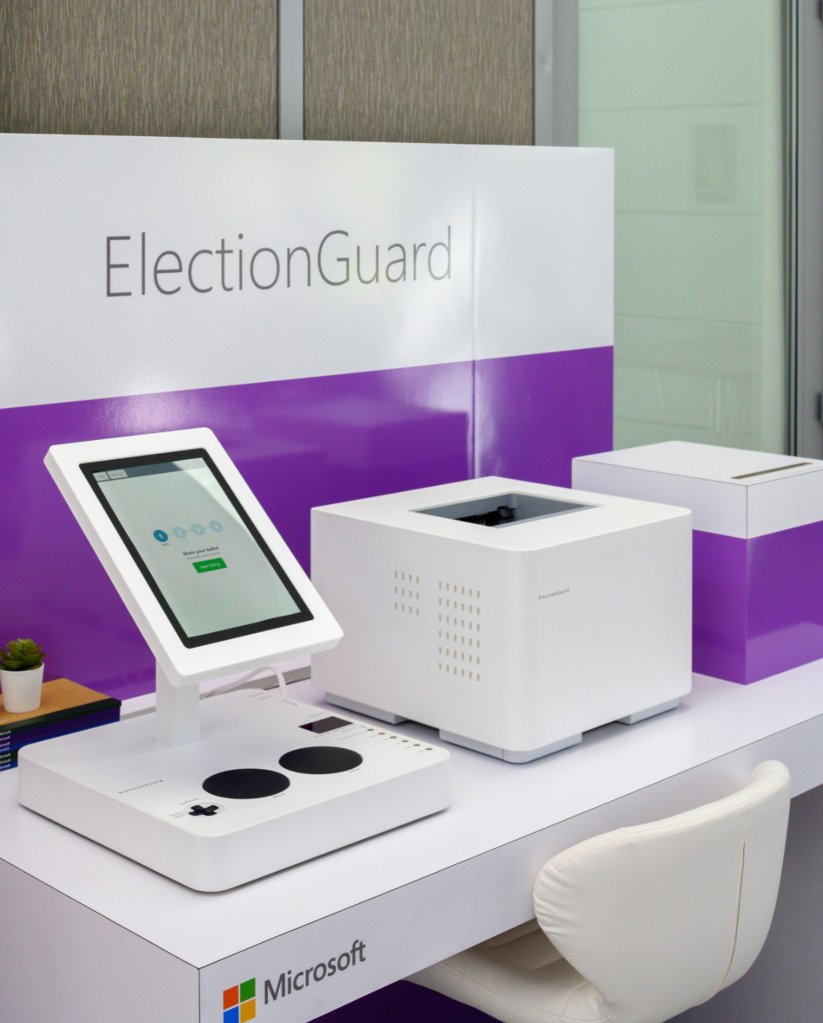
Securing Elections: Defending Democracy from Cyber Threats
In today’s digital age, cybersecurity is of utmost importance when it comes to securing elections and defending democracy from cyber threats. With the advancement of technology, elections have become more vulnerable to cyber attacks, making it imperative for governments and election officials to take necessary measures to secure the voting process. This article will explore the importance of cybersecurity in elections, particularly in Africa, and discuss ways to enhance the security of voting systems.
The Importance of Securing Elections
- Protection of Democratic Process: Elections are the cornerstone of democracy, and any interference in the voting process can undermine the integrity of the electoral system
- Prevention of Fraud: Cyber attacks can manipulate election results, leading to fraudulent outcomes that do not reflect the will of the people
- Maintaining Trust: A secure election process builds trust among the electorate, ensuring that their votes are counted accurately and without interference.
Cyber Threats in Elections
- Hacking: Hackers can infiltrate voting systems to manipulate voter data or change election results
- Phishing: Cyber criminals can use phishing emails to steal sensitive information from election officials or voters
- Disinformation Campaigns: Social media platforms can be used to spread false information and influence voter opinions.
Securing Elections in Africa
- Investment in Cybersecurity: African governments need to allocate adequate resources to strengthen cybersecurity measures in elections
- Training and Awareness: Election officials and voters should be educated on cyber threats and best practices for secure voting
- Collaboration with IT Experts: Governments should work with cybersecurity experts to assess and enhance the security of voting systems.
Enhancing Voting Security
- Use of Encryption: Encrypting voter data and election results can prevent unauthorized access and tampering
- Multi-factor Authentication: Implementing multi-factor authentication for election officials can protect against unauthorized access to voting systems
- Regular Audits: Conducting frequent security audits can help identify vulnerabilities and address them before they are exploited.
Conclusion
Ensuring the security of elections is crucial in defending democracy from cyber threats. By investing in cybersecurity, raising awareness among election stakeholders, and implementing robust security measures, governments can safeguard the integrity of the voting process and uphold the trust of the electorate. Together, we can work towards a future where elections are secure, transparent, and free from cyber interference.
POWERED BY TECH UP SOLUTIONS

 CYBERHELP AFRICA